


I’ll be honest. For years, my bathroom looked spotless. Gleaming sink, scrubbed toilet, fresh towels stacked like a hotel — the whole picture. Then I stumbled across a 2019 University of Arizona study showing the average toothbrush holder carries more bacteria per square inch than a toilet seat, and I had a quiet little crisis standing in my kitchen.
Most of us clean the obvious stuff and leave everything else alone. Wipe what’s visible, call it done. But mold, mildew, and bacteria aren’t waiting around for your highlight reel — they’re colonizing the corners you forgot existed.
So here’s the list I wish someone had shoved in my face ten years ago. The actual things to clean in your bathroom every week, not just the ones that look like they need it.
1. Your Toothbrush Holder
Already brought it up. Worth repeating. A 2011 NSF International study tested 30 homes across the US and found toothbrush holders ranked as the third most germ-laden surface in the entire house. Third. Beaten out only by dish sponges and kitchen sinks.
Every time you rinse your brush, water drips straight into that holder and just… sits there. Warm, stagnant, bacterial. Takes 45 seconds to rinse it with hot water and a drop of dish soap. Weekly. That’s the whole ask.
2. The Faucet Handles
Here’s the problem with faucet handles — you grab them with dirty hands, wash up, then grab them again on the way out. So does every other person in your house. They’re basically a germ roundabout.
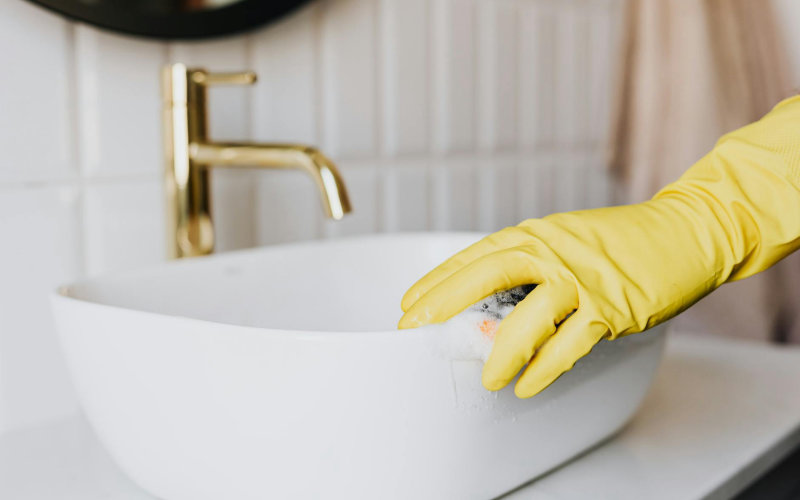
People wipe their sink basin down reasonably often. The handles? Almost never. A disinfecting wipe or a cloth dampened with diluted white vinegar (one part vinegar, one part water) does the job in under a minute. And don’t skip the base where the handle meets the fixture — that’s where gunk accumulates and nobody ever looks.
3. The Shower Curtain (Not Just the Liner)
If you’ve got a fabric curtain hanging in front of your liner, I’d put money on you not having washed it in months. It’s hanging in a warm, humid room, getting hit with water and soap residue every single day. That’s not a clean situation.
Most fabric curtains go straight into the washing machine — gentle cycle, regular detergent, done. Once a week is ideal. Your liner needs attention too. A spray bottle with one part bleach to nine parts water knocks out mildew spots in about two minutes. This one change alone will make your bathroom smell noticeably different. Better different.
4. The Bathroom Floor Near the Toilet
Not the whole floor. Just the zone right around the toilet base. You know the spot. And yeah, I know you’d rather not think about it.
Research published in Applied Microbiology in 2012 found that flushing produces what scientists call an “aerosol plume” — microscopic droplets traveling up to six feet. Six feet. They land on floors, walls, countertops, whatever’s nearby. The floor directly around that toilet base catches more than anyone wants to know about.
A disinfecting floor wipe or a quick mop with diluted bleach handles it. But close the lid before you flush. Genuinely one of the simplest habit changes you can make.
5. Your Bath Mat
This one gets people. Bath mats feel clean because you step onto them fresh from the shower. But think it through — damp feet, dense fibers, zero airflow trapped underneath. That’s not clean. That’s a mold welcome mat.
The American Cleaning Institute recommends washing bath mats weekly. Not monthly. Weekly. Shake it out, run it through the machine on hot, and dry it completely before it goes back on the floor. If it’s still damp when you put it down, you’re just returning the mold to its home.
6. The Soap Dish or Soap Pump Base
Soap is the clean thing. So naturally we never clean its container. Classic.
Bar soap dishes develop that pink slime ring at the bottom — that’s Serratia marcescens, a bacterial species that loves damp surfaces and shrugs off certain antiseptics. Pump dispensers build up a crusty ring of dried soap around the base that gets worse every week. Both take 30 seconds to wipe. Neither ever gets wiped. You see the problem.
7. The Inside of Your Trash Can
Pull your bathroom trash can out right now and look inside it. Go ahead. I’ll wait.
Right. Thought so. Bathroom bins collect used tissues, cotton balls, product packaging, random debris — and they almost never get cleaned, just emptied. That residue builds up and starts to smell, especially in a warm room with barely any airflow. A quick rinse and a wipe with disinfecting spray takes maybe 60 seconds. Weekly. It goes from quietly disgusting to completely fine.
8. Light Switch Plates and Door Handles
Not exclusive to bathrooms, sure — but in a bathroom they’re touched constantly by hands that may or may not be clean. And they never make anyone’s cleaning list.
A 2014 University of Houston study found bathroom door handles were among the highest-traffic contamination points in any room. That was public spaces, technically, but your home bathroom isn’t some germ-free exception. A quick wipe with a disinfecting cloth once a week costs nothing and quietly handles a real source of cross-contamination that most cleaning guides don’t even bother mentioning.
Bottom Line
Here’s what nobody really talks about: most bathroom cleaning routines were built around looks, not actual hygiene. We clean what appears dirty. But in a bathroom, the grimiest surfaces often look completely fine — the toothbrush holder, the faucet handles, the soap dish. Nothing signals that they need attention, so they don’t get it.
Visual cleanliness and microbial cleanliness are almost entirely separate things in a bathroom. A just-bleached toilet looks identical to one that hasn’t been touched in weeks. Same goes for everything on this list.
So the shift isn’t about products or technique. It’s about building a weekly habit around things that feel clean but aren’t. That’s the part that actually matters for your health.
Frequently Asked Questions
How long does a full weekly bathroom clean actually take?
Realistically, 20 to 30 minutes if you’re hitting everything on this list plus the standard toilet, sink, and shower scrub. Split it into two 15-minute sessions across the week and it barely registers.
Do I really need to wash my bath mat every single week?
Yes — especially if multiple people use it or your bathroom doesn’t get much airflow. High humidity plus regular foot traffic equals mold growth faster than you’d expect.
What’s the easiest disinfectant to keep in the bathroom for quick weekly wipes?
Disinfecting wipes (Lysol, Clorox, whatever’s on sale) are the most convenient option for handles, switches, and smaller surfaces. For bigger areas, a spray bottle with diluted white vinegar works well and doesn’t require anything special.
Is the “aerosol plume” from toilet flushing actually that serious at home?
Not panic-worthy, but it’s real and well-documented. Closing the lid before you flush reduces the spray significantly. And it costs you exactly zero extra effort.
Photo by www.kaboompics.com on Pexels