
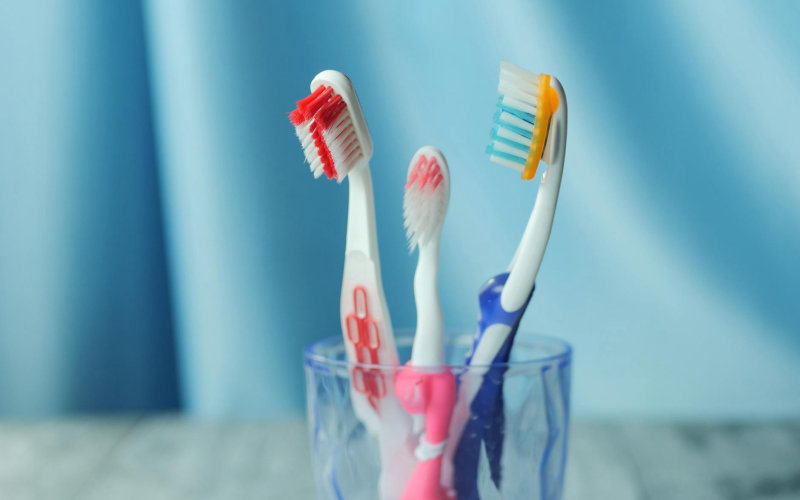


My bathroom cabinet used to be a full-on museum. Same loofah from last summer. Toothbrush with bristles fanning out like a sad little peacock. A razor that, honestly, should’ve been thrown out three months before it finally was. Sound familiar?
Here’s what nobody really talks about: your bathroom is probably the germiest room in your entire house, and a big chunk of that comes down to products you’re pressing against your actual body every single day—products you’ve been hanging onto way too long. Shampoo, body wash, fine—those get replaced when they run out. But the tools? Those just sit there. Indefinitely.
So I went through everything I’ve picked up over years of writing about cleaning and hygiene (plus some real research) to put together a genuinely useful guide. No padding, no vague advice. Just how often you actually need to replace the stuff in your bathroom.
Your Toothbrush: 3 Months Max (And That’s Being Generous)
The American Dental Association says every 3 to 4 months. But here’s the thing—if you’ve been sick, replace it immediately after you recover. Strep throat, the flu, whatever it was. Bacteria lingers in bristles, and every morning you’re essentially reintroducing it to your mouth.
Watch the bristles. When they start splaying outward, your toothbrush loses up to 30% of its cleaning effectiveness—and that’s not a number I made up. It’s from a 2020 study published in the Journal of Clinical Dentistry. Frayed bristles just don’t reach between teeth the same way anymore.
And if you store yours right next to someone else’s? Keep them from touching. Cross-contamination of mouth bacteria is real, and it’s slightly horrifying once you think about it.
Loofahs and Body Scrubbers: Sooner Than You Think
Two to four weeks. That’s the window for a plastic loofah or mesh scrubber. Natural sea sponge? Three to four weeks, maybe a bit longer if you’re religious about letting it dry completely between showers.
Why so fast? A 1994 study by Dr. Chuck Gerba—nicknamed “Dr. Germ” at the University of Arizona—found that loofahs are basically perfect bacterial hotels. Warm water, dead skin cells, a little soap residue, and you’ve got yourself a breeding ground for E. coli, mold, and Pseudomonas aeruginosa. Which is a clinical way of saying your loofah is probably disgusting right now.
But most people use the same one for months. I’ve done it too. It feels wasteful to toss something that still looks fine. The trick is buying them in bulk—a pack of 10 mesh loofahs runs about $8 on Amazon, and suddenly replacing one every few weeks doesn’t feel like such a big deal.
Between replacements, rinse it after every shower, squeeze out all the water, and hang it somewhere with actual airflow. Not in the wet corner of your shower. Not balled up on the shelf.
Razors: Your Skin Is Telling You
Disposable razors get four to six uses. Maybe a week of daily shaving, if that. After that, blades dull, bacteria builds up in the cartridge, and you’re setting yourself up for irritation, ingrown hairs, and tiny nicks that can actually get infected.
The rust test is real. Any orange tint on the blade? Toss it that day. No negotiating.
I switched to a safety razor a few years back—initial cost was around $35—and while the blades themselves are almost laughably cheap (about $10 for 100), I still swap each one out every 5 to 7 shaves. Genuinely changed my skin. Fewer ingrowns, no more razor burn. Worth it.
Bath Towels: More Often Than You’re Washing Them
Dermatologists generally say wash your bath towel every 3 to 4 uses. Most of us do it every week or two. And replacing them altogether? Every two years, assuming regular washing in between.
Old towels stop absorbing properly once the fibers break down—you can feel when that shift happens. But here’s the weirder part: even freshly washed towels can harbor mold if they don’t dry completely between uses. If yours smells musty straight out of the wash, that’s mold. It’s time.
So: wash more often, hang them spread out so they actually dry, and don’t leave them in a heap on the floor. (We’ve all done it.)
Shower Curtain Liners: Every Six Months at Minimum
The plastic inner liner—not the decorative curtain, just the liner—should be replaced every six months or washed monthly. Most people do neither.
Pink mold (technically a bacteria called Serratia marcescens) absolutely thrives on shower curtains. It feeds on soap scum and body oils, and it shows up as a pink or orange tinge along the bottom of the liner. That stuff can cause urinary tract infections and respiratory irritation, particularly in kids and older adults.
White plastic liners are $6 to $10 at Target. Swapping yours out twice a year is genuinely not a big ask.
Toothbrush Holders and Soap Dishes: Weekly
These almost never get cleaned. And they really should. A 2011 NSF International study found that toothbrush holders are the third most bacteria-contaminated item in the average home—right behind dish sponges and kitchen sink handles. Not the toilet. The toothbrush holder.
Rinse it weekly. Run it through the dishwasher if it can handle it. Replace it when the hard water buildup won’t budge anymore, or roughly every year.
Soap dishes work the same way. Wet soap sitting in standing water creates a slimy situation that defeats the entire point of soap. Clean it weekly—or just switch to a dispenser. Honestly so much less gross.
Cotton Pads, Makeup Sponges, and Nail Files: The Forgotten Stuff
Beauty blenders and reusable makeup sponges need washing after every single use, full stop, and replacing every 1 to 3 months. Any discoloration, any tearing, any faint smell—gone.
Nail files. Nobody ever talks about nail files. Metal ones can be sanitized with rubbing alcohol and reused, but cardboard emery boards should be tossed after a few uses. Sharing them is a fairly reliable way to spread nail fungus. Just don’t.
And cotton pads are single use. Obviously. But I’ve genuinely met people who rinse them out and reuse them, so I just want to be clear: please don’t do that.
Bottom Line
Here’s something I don’t see said often enough: the problem isn’t really that people don’t know they should replace bathroom stuff. It’s that there’s no obvious visual cue for most of it. Your loofah doesn’t turn neon green when it’s past its prime. Your toothbrush still looks passable even when it isn’t. So we default to “replace when it falls apart.”
The fix is treating bathroom supplies more like pantry staples. Set a reminder in your phone. Buy in bulk so the guilt of replacement goes down. Tie swaps to something you already track—the first of the month, when you change your HVAC filter, whatever works. Small habit. Real difference.
Frequently Asked Questions
How often should I replace my toothbrush if I brush twice a day?
Every three months, same as anyone else. More frequent brushing just means bristles wear out faster, so check them every few weeks. If they’re splaying before the three-month mark, replace early.
Can I clean my loofah to make it last longer?
You can microwave a damp loofah for 30 seconds, or soak it in a diluted bleach solution (1 teaspoon bleach per gallon of water) to knock back the bacteria. But it only buys you a little extra time—two to four weeks is still the practical ceiling before the cell structure starts degrading anyway.
What’s the actual health risk of using an old razor?
Dull blades cause micro-tears in the skin, which lets bacteria in. In 2019, the CDC reported that folliculitis—infected hair follicles—from contaminated razors was more common than most people realize. Usually minor, but it can escalate, especially if your immune system is already dealing with something.
How often should I replace my shower head?
Every six to eight years for the fixture itself. But more importantly, descale it every three to four months by soaking it in white vinegar overnight. Mineral buildup creates the perfect environment for Legionella bacteria, which causes Legionnaire’s disease. That’s not something you want to gamble with.
Photo by Towfiqu barbhuiya on Pexels