
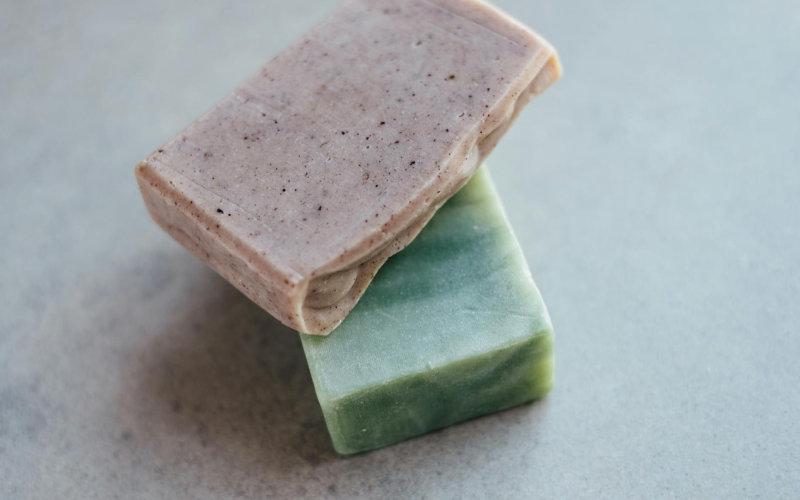


I’ve been writing about home hygiene products for over a decade, and this question never stops coming up. Someone reaches for a bottle of Dial Complete or Softsoap Antibacterial at the grocery store, pays an extra dollar or two, and figures they’re making the smarter call. Totally reasonable. The word “antibacterial” is right there on the label.
But the science on this has been pretty settled for years. Most people just haven’t heard it.
Short answer? You’re probably wasting your money. The longer answer involves some genuinely interesting biology, a surprising FDA ruling, and a handful of situations where antibacterial soap might actually matter. Stick with me.
What “Antibacterial Soap” Actually Means
Not all antibacterial soaps are created equal. The term gets slapped on a lot of products, but the active ingredient that historically mattered most is triclosan — or its close chemical cousin, triclocarban. These are the agents supposedly giving antibacterial soap its extra germ-fighting edge.
Here’s where it gets interesting. In 2016, the FDA banned triclosan, triclocarban, and 17 other antimicrobial ingredients from consumer soaps after manufacturers couldn’t prove they were either safe or meaningfully more effective than plain soap. Not “slightly less effective.” They couldn’t demonstrate real superiority at all. That ban kicked in fully by September 2017.
So what’s actually in your current bottle of “antibacterial” soap? Probably benzalkonium chloride, benzethonium chloride, or chloroxylenol (PCMX). The FDA has been asking for more safety data on those since 2019 and still hasn’t issued a final ruling. Jury’s still very much out.
The Friction Myth Nobody Talks About
Regular soap doesn’t kill germs. Not really — not directly. What it does is something arguably more clever. It creates a chemical environment where bacteria physically can’t cling to your skin, and the rinsing action carries them straight down the drain. Soap molecules have one end that binds to fat (bacteria have fatty membranes) and another that binds to water, so everything gets dragged off together. It’s elegant, honestly.
Antibacterial soap tries to bolt a killing step onto that process. Kill the germs, then wash them away. Sounds like an upgrade, right?
Except in real-world handwashing conditions — the 20 seconds most people actually spend at a sink — that killing step barely gets to happen. A 2015 paper published in the Journal of Antimicrobial Chemotherapy, using triclosan concentrations found in actual consumer products, showed no significant difference in bacterial reduction between antibacterial and plain soap after a standard handwash.
Twenty seconds with plain soap beats ten seconds with antibacterial soap. Every time. Technique wins over chemistry here.
When You Might Actually Want Antibacterial Soap
I’m not going to write off an entire product category without being fair about the exceptions.
Healthcare settings are real. Surgical scrubs and clinical handwash protocols do use specialized antimicrobial agents — but at concentrations far above what’s in your bathroom dispenser. Those products aren’t what you’re buying at Target.
There’s also a reasonable case for immunocompromised individuals. People undergoing chemotherapy, post-transplant patients, anyone on heavy immunosuppressants — their infection risk profile is genuinely different from yours or mine. A 2020 review in the American Journal of Infection Control suggested that in those populations, consistent antiseptic soap use might reduce gram-positive bacterial infections specifically. Might. Even there, the evidence isn’t overwhelming.
But for the average healthy adult washing up before dinner? The antibacterial label is mostly marketing.
The Antibiotic Resistance Problem You’re Contributing To
This part bothers me more than the wasted money, honestly.
Triclosan — while mostly banned from soap — persists in the environment because of how long it sticks around. And ongoing use of other antimicrobial agents in consumer products creates selective pressure that can breed resistant bacteria. It’s the same fundamental mechanism behind antibiotic resistance, just with different compounds.
A 2022 study out of the University of Birmingham found triclosan residues in 70% of urine samples tested from US adults — years after the FDA ban — largely because of carryover from pre-ban products and other consumer goods like toothpaste and cutting boards, where it’s still permitted. Your body is literally accumulating this stuff.
And some bacteria repeatedly exposed to low concentrations of benzalkonium chloride (one of the main post-triclosan replacements) have shown cross-resistance to clinically important antibiotics. That’s not a distant theoretical risk. It’s already happening.
What the Research Actually Recommends
Plain soap. Consistently. For 20 seconds. Every single time.
The CDC, the WHO, and the FDA all land in the same place: proper handwashing technique with plain soap is sufficient for everyday infection prevention in healthy people. The CDC’s 2022 guidelines don’t differentiate between soap types for general household use at all.
Soap type isn’t your variable. Time is. If you’re washing for six seconds — which, let’s be honest, most people do — you’re not getting adequate microbial reduction no matter what’s in the bottle.
Buy the plain soap. Spend what you saved on a decent lotion, because frequent handwashing without moisturizing genuinely damages your skin barrier. Cracked skin lets bacteria in more effectively than any soap keeps them out.
How to Read Product Labels Without Getting Fooled
“Antibacterial.” “Sanitizing.” “Germ-Fighting.” “99.9% effective.” These are marketing phrases with variable meaning and often zero clinical backing.
That “99.9% effective” claim (which has appeared on Lysol products and hand soap labels for decades) is based on contact-time protocols tested on a glass slide, not your actual skin. It means almost nothing for real-world performance. The gap between lab conditions and your sink is enormous.
Look for soap listing sodium lauryl sulfate or sodium laureth sulfate as active cleaning agents and skip the antimicrobial additives unless you have a specific medical reason. Fragrance-free, simple-formula soaps — Dr. Bronner’s, plain Dove bar soap — do exactly what your hands need done. Nothing more complicated required.
Bottom Line
Here’s the thing I haven’t seen written clearly anywhere else: the antibacterial soap industry didn’t succeed by making soap that works better. It succeeded by making you feel like regular soap wasn’t working well enough. That feeling — that a bar of Ivory somehow wasn’t quite cutting it — is a manufactured insecurity, and a profitable one. The actual science was always on the side of plain soap. The 2016 FDA ruling didn’t change the facts; it just made them official. Your bathroom shelf doesn’t need to look like a pharmacy to keep you clean.
Frequently Asked Questions
Is antibacterial soap better for preventing colds and flu?
No. Colds and flu are caused by viruses, not bacteria. Antibacterial ingredients have zero effect on viruses. Regular soap disrupts viral particles during rinsing just as effectively as any antibacterial formula — so you’re not missing anything.
Should I use antibacterial hand sanitizer instead?
Alcohol-based hand sanitizer (60%+ alcohol) is genuinely more effective than either soap type when you don’t have access to a sink — specifically because the alcohol concentration and contact time actually kill pathogens. But it doesn’t replace soap and water when your hands are visibly dirty.
Are antibacterial soaps safe for kids?
Most pediatric associations — including the American Academy of Pediatrics since 2017 — recommend plain soap for children. The potential hormonal disruption effects of triclosan-related compounds aren’t worth the zero-benefit tradeoff for healthy kids.
Does antibacterial dish soap actually clean dishes better?
Nope. Dish soap cleans through surfactant action and mechanical scrubbing. The antibacterial additive has minimal contact time during normal dishwashing and doesn’t meaningfully reduce bacterial load beyond what plain dish soap and hot water already accomplish.
Photo by freestocks.org on Pexels