
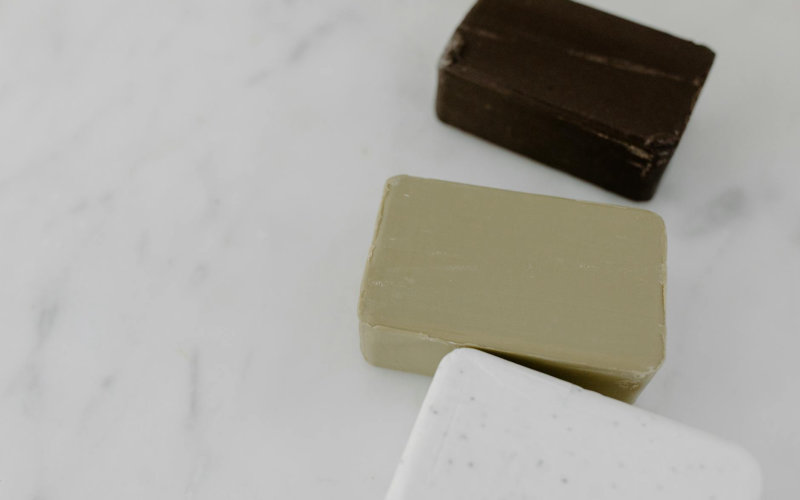


I’ve had this argument with my roommate for literally six years. He swears by his Dove body wash, I’ve used the same type of Ivory bar soap since college, and neither of us has ever gotten sick enough to blame our shower routine. But the question stuck with me. So a few years ago I actually started digging into the science, and what I found was more complicated than I expected.
Most people pick their cleanser based on whatever was on sale at CVS when they first moved out, and they never think about it again. That’s fine. But if you’re genuinely curious about which one does a better job cleaning your skin, controlling bacteria, and not wrecking your skin barrier over time, there are some real answers here.
Spoiler: neither one is universally better. But one of them has some meaningful advantages in specific situations, and I’m going to break that down for you.
The Basic Science of How Both Work
Both bar soap and body wash clean through the same core mechanism. They’re both surfactants — molecules with one end that attracts water and another that attracts oil, letting them lift grease, dirt, and microbes off your skin so everything rinses away cleanly.
Bar soap gets made through saponification, which is basically mixing fats or oils with something alkaline like sodium hydroxide. Most commercial bars land at a pH somewhere around 9 to 10. Your skin, meanwhile, sits naturally around 4.5 to 5.5.
Body wash is a different story. It uses synthetic detergents (syndets, in the industry) that let manufacturers dial in the pH with much more precision. Most body washes fall between 5.5 and 7 — genuinely close to skin-neutral.
That gap matters more than most people think. A lot more.
Does Bar Soap Actually Harbor Bacteria?
This is the big fear, right? You’ve probably heard someone say bar soap is gross because bacteria lives on it. And, okay — technically true. A 1988 study published in Epidemiology & Infection tested bars of soap in household bathrooms and found detectable bacteria on every single one of them. 100%.
But here’s the part people always skip: that same study found zero evidence of bacterial transfer to hands after washing. Zero. The soap’s surfactant action rinses the bacteria off along with everything else.
So. The bacteria-on-bar-soap thing is real but largely irrelevant. What matters is the washing process itself, not whether your soap has been sitting in a little puddle between uses.
And if you actually want to cut down on bacteria on your bar, just rinse it after each use and park it on a well-draining soap dish. That’s it. Simple.
pH Levels and Your Skin Barrier
This is where body wash pulls ahead, and honestly it’s not close.
Your skin’s acid mantle — that slightly acidic film on the surface — does serious work. It keeps moisture in, keeps pathogens out, and supports your microbiome. Wash with a pH 9 to 10 cleanser every day and you’re disrupting that mantle on repeat.
A 2010 clinical study in Skin Research and Technology tracked soap-washed versus syndet-washed skin over four weeks. The syndet group (body wash) showed significantly lower transepidermal water loss — their skin held onto moisture better and showed less barrier damage overall.
If you have eczema, rosacea, or just skin that gets irritated easily, this is a big deal. Dermatologists like Dr. Whitney Bowe have been steering patients toward pH-balanced cleansers instead of traditional bar soap for years, specifically for dry and reactive skin types.
Normal to oily skin? You’ll probably be fine either way.
The Environmental and Waste Factor
Bar soap wins here. Decisively.
Body wash needs a plastic bottle, relies on a formula that’s mostly water, and generates substantially more packaging waste per wash. A 2009 environmental lifecycle study out of the Swiss Federal Institute of Technology found liquid soap carries a carbon footprint roughly 25% higher than bar soap per wash — packaging and transport being the main culprits.
Bar soap ships in minimal cardboard. It’s lighter. And a decent bar stretches further per dollar than most body washes.
If your environmental footprint factors into your buying decisions at all, bar soap is the more defensible choice. Full stop.
Which One Is Better for Your Specific Skin Type?
Dry or sensitive skin: Body wash, strongly. Look for formulas with ceramides or glycerin. CeraVe Hydrating Body Wash (around $12 at most drugstores) is a solid starting point that dermatologists recommend pretty consistently.
Oily or acne-prone skin: Either works, but a bar soap with salicylic acid — like Neutrogena’s Oil-Free Acne Bar — can actually help, because the solid format allows longer contact time with skin.
Normal skin with no complaints: Honestly? Flip a coin. Use what you like. Your routine and consistency matter more than the format you’ve chosen.
Older skin (50+): Lean toward body wash. Skin produces less sebum as we age, so preserving whatever moisture you’ve got becomes the priority.
The Hygiene Myth You Need to Let Go
Here’s something I see repeated constantly — people assume body wash is more hygienic because it comes out of a pump or bottle you never touch directly. But loofah sponges and poufs, which most body wash users rely on, are genuinely disgusting.
A 1994 study in the Journal of Clinical Microbiology found that loofahs can harbor Pseudomonas aeruginosa, Klebsiella pneumoniae, and other bacteria after just a few weeks of use. Most people keep their loofah for months without replacing it.
So if body wash “hygiene” depends on a loofah, you’ve canceled out your advantage entirely. Use a clean washcloth instead. Replace it often. Or just use your hands.
Cost Breakdown Nobody Does
Quick numbers. A 4-pack of Dove bar soap runs about $6 and lasts most people three to four months. That works out to roughly $18 to $24 a year. A 22-oz bottle of Dove body wash costs around $7 and lasts maybe five to six weeks for one person — so $60-plus a year for the exact same brand.
You’re spending two to three times as much for a product that, in most cases, cleans you about the same.
Bottom Line
Here’s the honest insight that doesn’t get discussed enough: the whole bar soap vs body wash hygiene comparison is almost entirely the wrong question. What actually predicts how clean you get is mechanical action — how thoroughly and how long you work the lather against your skin. Thirty seconds of lazy body wash application cleans you less effectively than sixty seconds of real scrubbing with a bar. The format is secondary. Your technique is primary. Most people are under-washing by time, not under-choosing by product.
Frequently Asked Questions
Is bar soap actually dirtier than body wash?
No. Studies consistently show that bacteria found on bar soap doesn’t transfer to skin during normal handwashing or bathing. The surfactants rinse everything away. The bar-soap-is-dirty idea is a marketing narrative that body wash brands have benefited from enormously.
Which is better for sensitive skin—bar soap or body wash?
Body wash, generally. The pH sits closer to skin-neutral, which means less disruption to your acid mantle. Look for fragrance-free formulas with ceramides or glycerin.
Does body wash actually get you cleaner than bar soap?
Not inherently. Both use surfactant chemistry that’s similarly effective at removing dirt and oil. Body wash’s edge is in skin-gentleness, not raw cleaning power.
How often should you replace your loofah if you use body wash?
Most dermatologists say every three to four weeks at absolute maximum. Honestly, a clean cotton washcloth swapped out every few days is safer and cheaper.
Photo by Tara Winstead on Pexels