
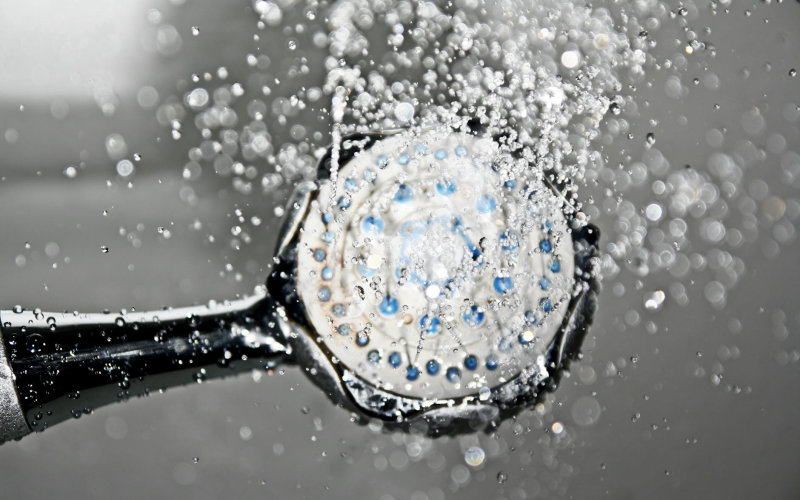


My showerhead looked fine. Until I actually looked at it.
I mean really looked — up close, bathroom light blazing. The nozzle holes were half-choked with this chalky, greenish crust, and the pathetic water pressure I’d been blaming on “city water issues” was just years of mineral buildup quietly doing its thing. One afternoon and two pantry staples later, the pressure was noticeably stronger. I still can’t believe I waited that long.
Here’s what most cleaning guides won’t bother telling you: showerheads are genuinely among the most neglected spots in the average bathroom, and not just because they look gross. A 2018 study published in mBio (a journal from the American Society for Microbiology) analyzed 656 showerheads across the US and found that nontuberculous mycobacteria thrive inside them — specifically in the biofilm that forms when mineral deposits give bacteria something to grab onto. So yeah. This goes way beyond water pressure.
Why Vinegar and Baking Soda Actually Work
White distilled vinegar is acidic — pH around 2.5 — which makes it genuinely capable of dissolving calcium carbonate deposits, the main villain behind that crusty white buildup caking your nozzles. Hard water areas (most of the Midwest, Southwest, and chunks of the South) deal with this constantly.
Baking soda is mildly abrasive and alkaline. And yes, when you combine it with vinegar, you get that satisfying fizz — but the bubbling itself isn’t really the point. It’s the mechanical action that fizzing creates inside tight spaces you physically can’t reach with a brush. These two ingredients also work best sequentially rather than together, which I’ll walk you through below.
Neither one will wreck your finish. No bleach damage. No chemical fumes in a small enclosed bathroom. No gloves required.
What You’ll Need Before You Start
Short list. Nothing fancy.
White distilled vinegar (not apple cider, not wine vinegar — the plain white stuff, around $2-3 at any grocery store). Baking soda. A plastic bag large enough to fit over your showerhead. A rubber band or zip tie. An old toothbrush. That’s genuinely it.
One thing worth adding: do this on a day when you’ve got 45 minutes to kill, because most of the work is just waiting. Hands-on time is maybe 10 minutes total. Don’t start this right before you need to shower.
Step 1: Check If Your Showerhead Is Removable
Some are, some aren’t. Doesn’t matter either way, but the approach shifts slightly.
If yours screws off easily (many do, especially ball-joint or standard threaded heads), take it off. You’ll soak it directly in a bowl of vinegar — far more effective than the bag method, since the vinegar reaches every interior surface. Fill a bowl with enough white vinegar to fully submerge the head and let it sit for at least 30 minutes. An hour is better. Two hours if the buildup is serious.
If yours is fixed, or you just don’t feel like disconnecting it, use the bag method: fill a plastic bag with about a cup of white vinegar, position it over the showerhead so the nozzle face is fully submerged, and secure the bag tightly with a rubber band around the neck of the fixture. Same soaking time applies.
Step 2: The Vinegar Soak (Don’t Rush This Part)
Seriously. Don’t rush it.
Vinegar needs real contact time to break down calcium deposits. Thirty minutes is the floor, not the target. I did a full two-hour soak last spring and the difference compared to my usual impatient 20-minute attempt was dramatic — nozzles I’d written off as permanently crusted over cleared out completely.
If you’re dealing with iron staining (that orange-reddish tint some people in well-water areas know too well), add a tablespoon of lemon juice to your vinegar. The citric acid specifically targets iron oxide. Small addition, meaningful difference if that’s your situation.
Step 3: Add Baking Soda for the Stubborn Spots
Once you pull the showerhead from its vinegar bath — or after you’ve removed the bag — sprinkle baking soda directly onto the nozzle face while it’s still wet with vinegar.
This is where the fizz actually earns its keep. The reaction happens right on the surface of the mineral deposits, not just around them. Let it fizz for 30-60 seconds, then work your old toothbrush into each nozzle hole in small circular motions. You’re not scrubbing hard — you’re guiding the loosened deposits out of the holes. Most come free with almost no pressure at all.
For the silicone nozzles that some modern showerheads use (Moen and Delta both shifted toward these around 2015-2016), you can literally just rub them with your thumb. They’re designed to flex so mineral buildup pops right off. But baking soda still helps with any remaining film.
Step 4: Rinse, Reattach, Run Hot Water
Rinse the showerhead thoroughly under the tap to clear out any leftover baking soda or loosened debris. If you removed it, reattach it now — hand-tight, then a quarter-turn with a wrench if needed (don’t overtighten or you’ll crack the fitting).
Run hot water through it for a full two minutes. Hot water flushes out residue sitting in the interior passages and gives you an immediate read on whether the pressure improved. It should. If you’re still seeing clogged nozzles after all this, repeat the vinegar soak for another hour.
How Often Should You Actually Do This?
Monthly if you have hard water. Every three months if you don’t.
I keep a bottle of white vinegar under my bathroom sink specifically for this. Takes five minutes to set up, I do other things while it soaks, and my showerhead has stayed genuinely clean for the past two years without any serious buildup returning. Consistency beats intensity every time with bathroom maintenance.
Bottom Line
Here’s what most cleaning sites quietly skip over: the fizzing reaction between vinegar and baking soda is largely theatrical. The real cleaning gets done by vinegar alone, given enough contact time. Using baking soda after the soak — not mixed into it — is what delivers the mechanical advantage without neutralizing your acid too early. Most guides tell you to combine them upfront and dump the mixture into the bag, which kills the vinegar’s effectiveness before it’s done working. Sequential application is the actual difference between a showerhead that’s 60% clean and one that’s genuinely restored.
Frequently Asked Questions
Does this method work on all showerhead finishes, including brushed nickel?
Yes, with one caveat. White vinegar is safe for chrome, brushed nickel, and plastic finishes when you keep soaks under two hours. For oil-rubbed bronze, cap contact time at 30 minutes — extended acid exposure can affect the finish over time.
Can I use apple cider vinegar instead of white vinegar?
You can, but it’s messier, pricier, and the acidity is actually slightly lower in most brands. White distilled vinegar is standardized at 5% acidity. Just stick with it.
What if my water pressure still hasn’t improved after cleaning?
If cleaning doesn’t help, the showerhead itself might be worn out — or your home’s water pressure is genuinely low (below 40 PSI is considered substandard). A $10 pressure gauge from the hardware store will tell you which problem you’re actually dealing with.
How do I know if I have hard water?
White or yellowish mineral deposits around faucets and fixtures are the obvious giveaway. You can also pick up a water hardness test strip (TDS meter or hardness kit, around $8-12 on Amazon) for a precise number. Anything above 120 mg/L is classified as hard water by the USGS.
Photo by Pixabay on Pexels