


I’ll be straight with you. I used dry shampoo almost every single day for about two years, and nobody—not my hairstylist, not a single beauty blog—warned me about what was slowly happening to my scalp. So here’s the article I wish I’d found back then.
Dry shampoo feels like a miracle product. You’re late, your hair looks rough, and three seconds with a spray can fixes everything. Genuinely brilliant in that moment. But the question that keeps surfacing—the one I get asked constantly in comments—is whether it’s actually safe to use every day, or whether we’re all quietly torching our hair health while saving five minutes each morning.
Short answer: it depends on how you’re using it and what’s in it. Long answer? That’s exactly what we’re getting into.
What Dry Shampoo Actually Does to Your Scalp
Most people think dry shampoo cleans their hair. It doesn’t. Not even a little. What it does is absorb oil and add texture so your hair looks cleaner. There’s a massive difference between those two things, and that gap is where the trouble lives.
The active ingredient in most spray formulas is either talc, starch (usually rice or corn), or silica. These particles sit on your scalp and soak up sebum—the natural oil your sebaceous glands produce. But they don’t rinse away on their own. And if you’re spraying daily without washing properly, those particles layer on your scalp like sediment at the bottom of a river.
Dermatologists call what happens next product buildup. And it’s not just cosmetically annoying. A 2022 study published in the Journal of Cosmetic Dermatology found that chronic product buildup around hair follicles can contribute to folliculitis—inflammation that shows up as small red bumps, itchiness, and in some cases, actual shedding. Not exactly the trade-off you had in mind.
The Benzene Problem Nobody Wants to Talk About
This one genuinely rattled me when I first read about it. In October 2021, Procter & Gamble voluntarily recalled several Pantene and Herbal Essences dry shampoo products after independent testing by Valisure—a pharmacy that evaluates drug products for quality—detected benzene in dozens of aerosol dry shampoo brands. A known human carcinogen, sitting in a can you’ve been spraying directly onto your scalp.
The recall eventually expanded to cover over 30 product SKUs across brands including Dove, Nexxus, Suave, TIGI, and others. The FDA issued a warning. And yet, somehow, dry shampoo kept flying off shelves like nothing happened.
Benzene isn’t something you want anywhere near your scalp. It absorbs through skin. It’s linked to leukemia with prolonged exposure. The amounts found weren’t sky-high, sure—but if you’re using a contaminated product every single day, “small amounts” stack up over months and years. Check the FDA’s recall list before you buy anything. And look hard at water-based or powder (non-aerosol) formulas, which don’t carry the same propellant contamination risk.
What “Every Day” Actually Means for Your Hair Growth
Here’s something most people genuinely don’t realize: your scalp breathes. It needs airflow, sebum balance, and open follicle pathways to maintain healthy hair growth cycles. When you pile dry shampoo on daily, you’re clogging the whole system.
Trichologists—hair and scalp specialists, not just regular stylists—have been raising this flag for years. Dr. Francesca Fusco, a New York-based dermatologist practicing since the early 1990s, has stated publicly that using dry shampoo more than two or three times between washes can start causing scalp problems, especially for people already prone to dandruff or seborrheic dermatitis.
The hair growth cycle has three phases—anagen, catagen, telogen—and it’s sensitive to inflammation. Anything that keeps your follicles chronically irritated can push more hairs into the telogen (shedding) phase earlier than they should go. You won’t notice it right away. That’s the sneaky part. But six months of daily dry shampoo abuse could have you genuinely puzzled about why your ponytail feels thinner.
Which Hair Types Handle It Better
Not everyone’s scalp reacts the same way. That’s just fact.
People with fine, straight, oily hair tend to rely on dry shampoo most heavily—and unfortunately, they’re also the most vulnerable to buildup because their scalp churns out more sebum and their hair sits flatter against it. Curly and coily hair types actually have a bit of natural protection here. The curl pattern lifts hair slightly away from the scalp, and many people with type 3 or 4 hair wash less frequently anyway, meaning they’ve already worked out better scalp hygiene habits around stretched wash schedules.
If your scalp is already sensitive, prone to flaking, or you’ve been diagnosed with psoriasis or eczema, daily dry shampoo is genuinely not worth the gamble. Even once a week should come with a really thorough wash afterward.
The Right Way to Use It (If You’re Going to Use It)
So am I saying throw your dry shampoo in the bin? Not necessarily. I still use mine. But I use it completely differently than I used to.
Rule one: never apply it to a dirty scalp. Put it on the night before your wash day, not on day three of greasy buildup sitting on top of existing product residue. Rule two: always brush it out properly. And I mean properly—a boar bristle brush for at least two minutes, not a lazy comb-through. Rule three: two applications maximum between washes. That’s the ceiling.
And when you do wash? Pull out a clarifying shampoo every other wash cycle. Something like Neutrogena Anti-Residue Shampoo (on shelves since the late 1980s, still one of the most effective options out there) or Ouai Detox Shampoo will clear product buildup from your scalp far better than your regular shampoo ever will.
Better Alternatives Worth Trying
Dry shampoo isn’t your only move here. Loose translucent powder applied with a fluffy brush works just as well for oil absorption, and you control exactly what’s going into the formula. RCMA No-Color Powder has been a makeup artist staple since the 1960s—it works brilliantly on roots and costs almost nothing.
Apple cider vinegar rinses are another one worth trying. Dilute it heavily—one tablespoon in a cup of water—and it helps regulate scalp pH, potentially reducing how much oil your scalp produces if you use it consistently over a few weeks. Not glamorous. But it works.
Bottom Line
Here’s the thing I almost never see anyone say: dry shampoo is a debt product. Every time you use it, you’re borrowing cleanliness from your scalp’s future, and the interest compounds. The problem isn’t one use, or even five. It’s that it quietly trains you to wash your hair less—which sounds like a win, but your scalp doesn’t stop producing oil just because you buried it under starch. It might actually produce more over time, as the sebaceous glands compensate for what they read as over-drying. So the product that was supposed to make your life easier can leave your scalp oilier, thinner-feeling, and more irritated than it ever was before you started. Use it strategically. Not out of habit.
Frequently Asked Questions
Is dry shampoo safe to use every day if I have thin hair?
No, not really. Fine follicles are more easily blocked by product buildup, and if you’re already seeing thinning, daily dry shampoo can accelerate shedding by keeping follicles in a low-grade state of inflammation. Limit it to twice a week at most, and always follow with a clarifying wash.
Can dry shampoo cause hair loss?
Not directly, the way genetics or hormonal shifts cause hair loss. But folliculitis and chronic scalp inflammation from buildup can push follicles into early shedding cycles. It’s a contributing factor rather than a root cause—but that still makes it a real risk worth taking seriously.
What’s the safest dry shampoo to use?
Powder-based, non-aerosol formulas are safer than sprays because they sidestep the benzene-from-propellant contamination issue entirely. Look for formulas without talc, and check the 2021-2022 FDA recall lists for specific brands to avoid. Klorane Dry Shampoo with Oat Milk has a cleaner ingredient profile than most mainstream options.
How often should you actually wash your hair?
Most dermatologists land on every two to three days for average hair types. Very oily hair can handle every other day just fine. The goal is giving your scalp room to breathe and reset—not seeing how far you can stretch a blowout with a can of spray starch.
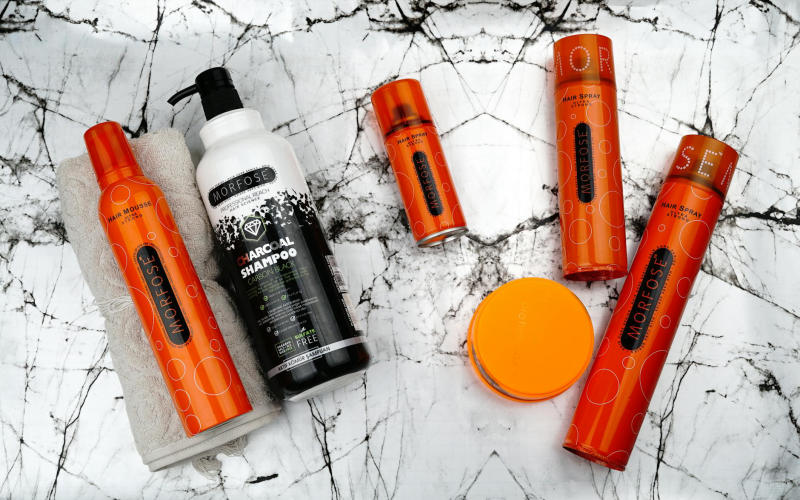
Photo by Furkan EROĞLU on Pexels